
Get Healthy!
- Posted July 9, 2026
Innovative Hip Replacement Cuts Post-Surgery Risk Of Dislocation By 70%
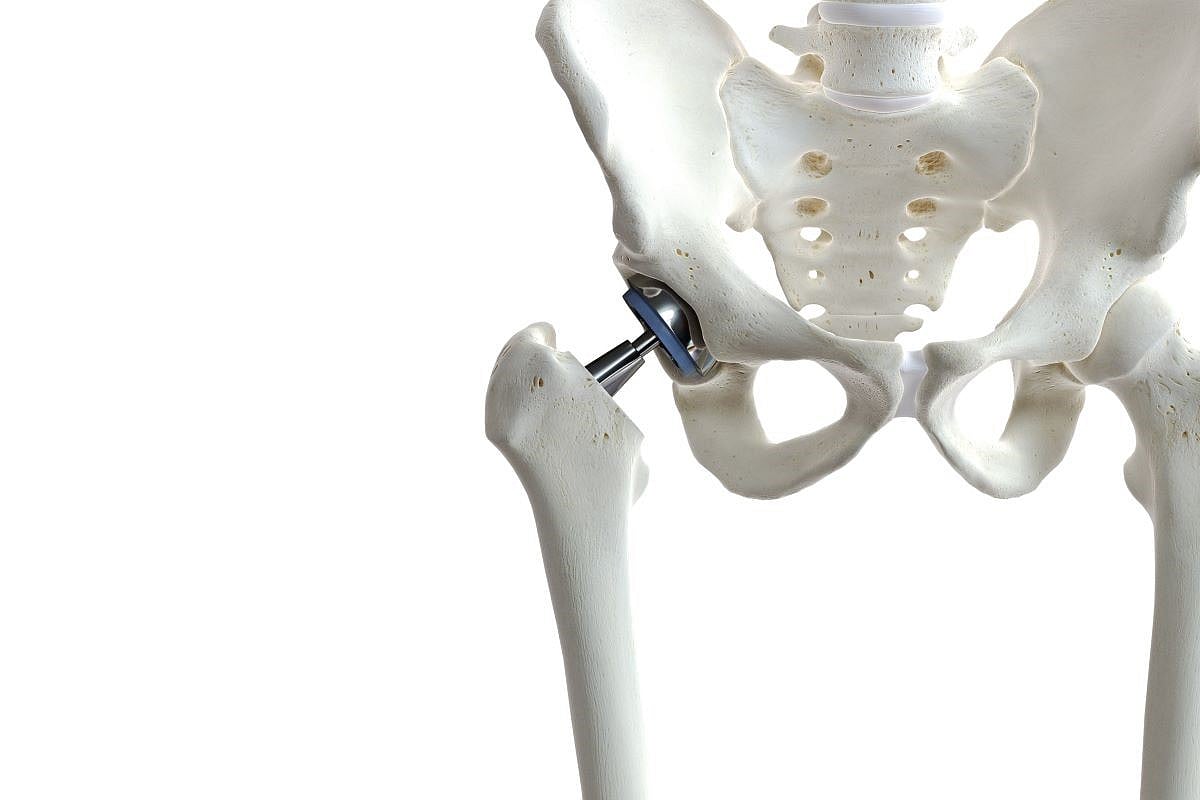
Hip replacement surgery can dramatically improve the life of a person in chronic pain from a bum hip, but afterward patients must move carefully lest they cause their new hip to pop out of joint.
But a better-designed hip implant can reduce a patient’s risk of hip displacement by 70%, researchers reported recently in The Lancet.
“It is extremely painful when a hip replacement dislocates,” lead researcher Dr. Nils Hailer, a consultant orthopedic surgeon at Uppsala University Hospital in Sweden, said in a news release.
“When it occurs, patients require sedation or further surgery to realign the joint,” Hailer said. “Once the joint has dislocated, this impairs quality of life, as the patient may feel that they can no longer really trust the implant.”
About 8% of people who receive a hip replacement have their artificial joint slip out of place, researchers said in background notes. Patients are counseled to avoid crossing their legs, picking objects up off the floor, or twisting their bodies while they recuperate from surgery.
To avoid this problem, a more innovative hip implant has been developed consisting of a small ball encased in a much larger plastic ball.
Standard implants involve a metal ball that slips into a metal socket implanted into a person’s hip, according to the Hospital for Special Surgery.
Dual mobility implants have a large plastic head that fits into the polished metal hip socket, but a smaller metal or ceramic head is snap-fit into the plastic head, the HSS says. This provides an additional load-bearing surface.
This dual mobility implant “improves the stability of the replacement by increasing the range of movement of the joint before dislocation,” researchers wrote in their paper.
The concept of dual mobility was originally developed in France in the 1970s, but has only recently been adopted in the United States, the HSS says.
To test its effectiveness, researchers recruited 1,600 people 65 or older in Sweden or the U.K. who’d suffered a broken hip, and randomly assigned them to receive either a standard hip implant or the dual-mobility implant.
By one year after surgery, 1.3% of people who got a dual-mobility implant had sustained a dislocated hip, compared with 4.2% of those given a standard implant.
That amounts to a 70% reduction in the risk of dislocation, researchers said.
Overall risk of surgical complications also was lower in the group that received the new implant, the study found.
Although dual mobility implants are more expensive than the standard model, researchers argued that the reduction in dislocations and complications could offset the higher upfront cost.
They are undertaking a full economic analysis to see if this pans out, researchers said.
“Crucially, (the dual mobility implant) requires no new technology or training. Surgeons are already familiar with both implant types, meaning the change could be implemented immediately within existing practice,” researcher Xavier Griffin, a professor at Queen Mary University of London, said in a news release.
More information
The Hospital for Special Surgery has more on dual mobility hip replacement surgery.
SOURCES: Uppsala University, news release, July 2, 2026; The Lancet, July 2, 2026
